Strengthening Institutional Capacities to Improve Human Rights Governance in Punjab
Overview
The project “Strengthening Human Rights Governance in Punjab” aims to enhance the effectiveness, coordination, and responsiveness of the Provincial Task Force on Human Rights and District Committees on Human Rights (DCHRs) across Punjab Province. The initiative seeks to strengthen institutional mechanisms that promote, monitor, and protect human rights while fostering peace, social harmony, and conflict prevention. Building on the successful implementation of the pilot project “Human Rights Promotion Punjab” in Lahore, Kasur, and Dera Ghazi Khan, HFO observed remarkable improvements in the functionality of district committees. Committee members became more active in addressing local human rights concerns, conducting regular meetings, preparing quarterly reports, and collaborating with relevant government departments to prevent and resolve community conflicts. The project responds to the growing need for stronger human rights governance structures in Punjab, particularly in light of increasing incidents of gender-based violence, interfaith tensions, forced marriages, discrimination, and other human rights violations.
Background and Rationale
The Government of Punjab has established an institutional mechanism for human rights governance through:
Provincial Task Force on Human Rights under the Human Rights & Minority Affairs Department.
District Committees on Human Rights (DCHRs) in all districts of Punjab under the chairmanship of Deputy Commissioners.
These bodies were formed to implement the National Action Plan on Human Rights and monitor human rights conditions at provincial and district levels. However, many of these committees remain underutilized due to:
Limited understanding of human rights concepts and frameworks;
Insufficient knowledge of roles and responsibilities;
Weak coordination between district committees and provincial structures;
Lack of technical skills for monitoring, reporting, and case management.
Punjab continues to face serious human rights challenges, including:
Gender-based violence and domestic abuse;
Religious intolerance and interfaith violence;
Early and forced marriages;
Extrajudicial killings and discrimination against vulnerable groups.
Through this initiative, HFO aims to strengthen these institutional structures, improve coordination mechanisms, and enhance the capacity of committee members to respond effectively to human rights issues at grassroots and provincial levels.
Goal
To improve the overall human rights situation in Punjab by strengthening the role, capacity, and coordination of the Provincial Task Force on Human Rights and District Committees on Human Rights.
Key Objectives
1. Capacity Strengthening Enhance the knowledge, skills, and operational capacities of Provincial Task Force members and District Committees on Human Rights to better identify, investigate, document, and resolve human rights violations.
2. Institutional Coordination Strengthen coordination and communication between District Committees, the Provincial Task Force, and the Human Rights & Minority Affairs Department to improve service delivery, reporting systems, and implementation of human rights action plans.
Project Strategy
The project will be implemented through three interconnected phases:
Phase 1 – Initiation and Capacity Building
Stakeholder consultations and project inauguration;
Capacity-building workshops for Provincial Task Force members;
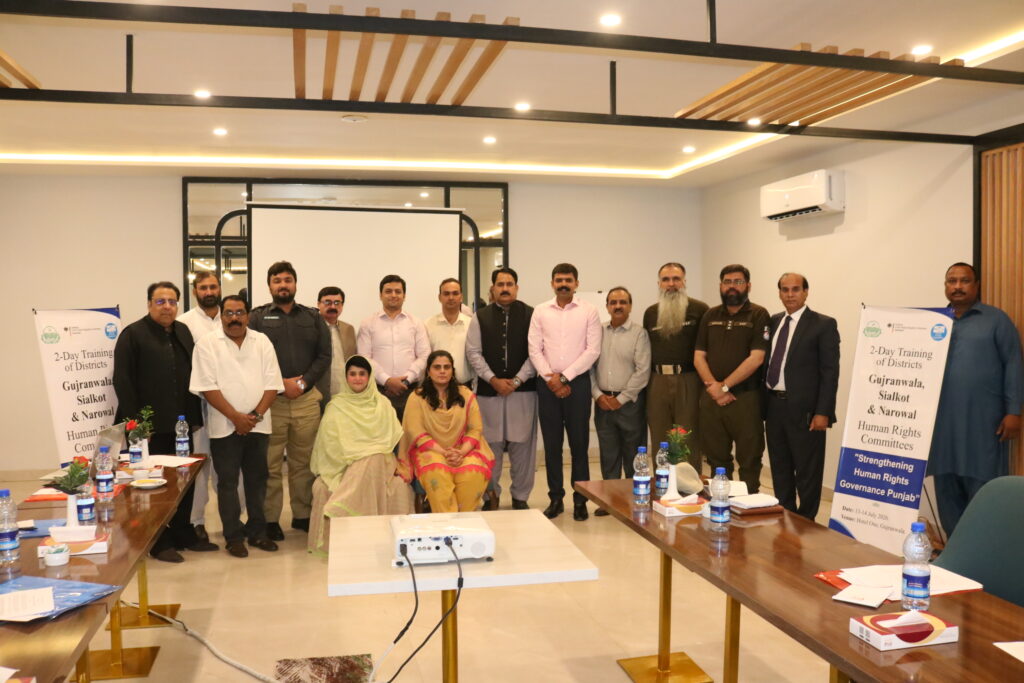
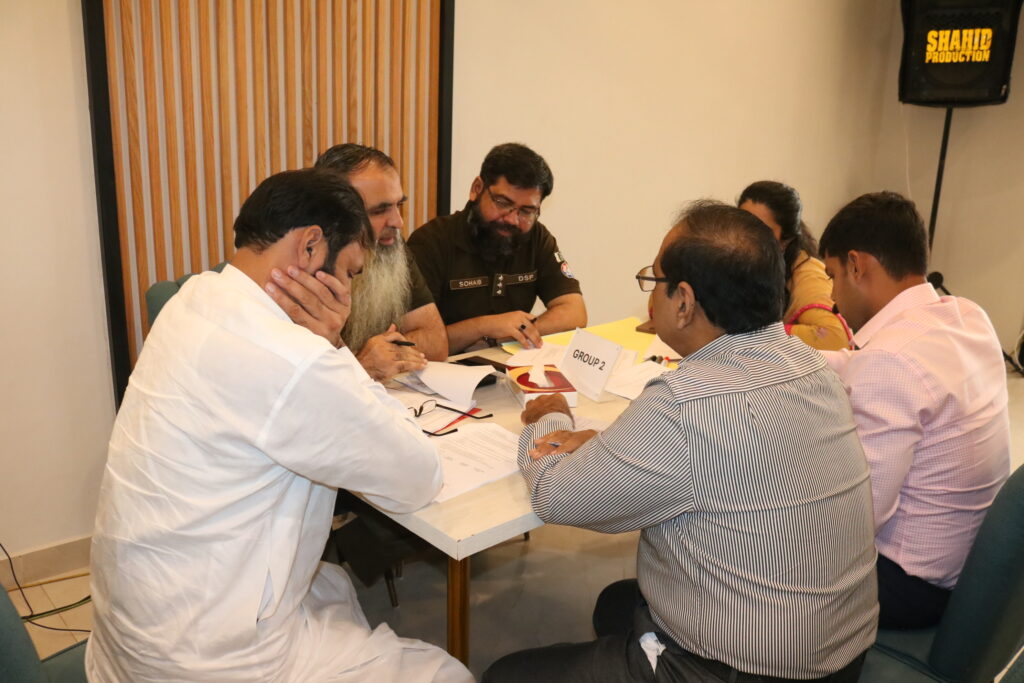
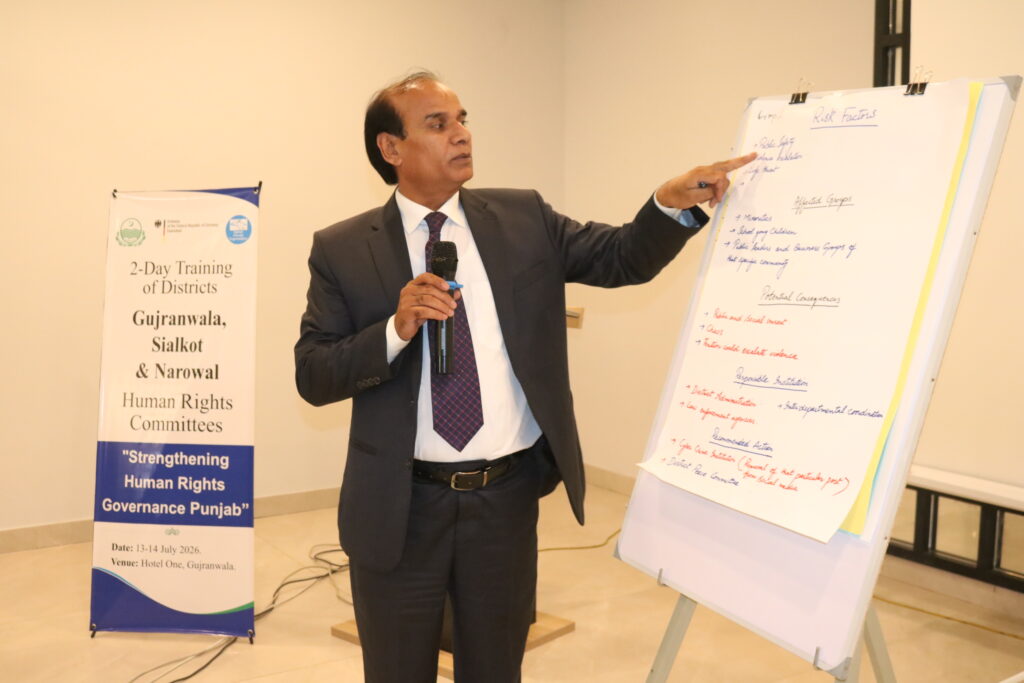
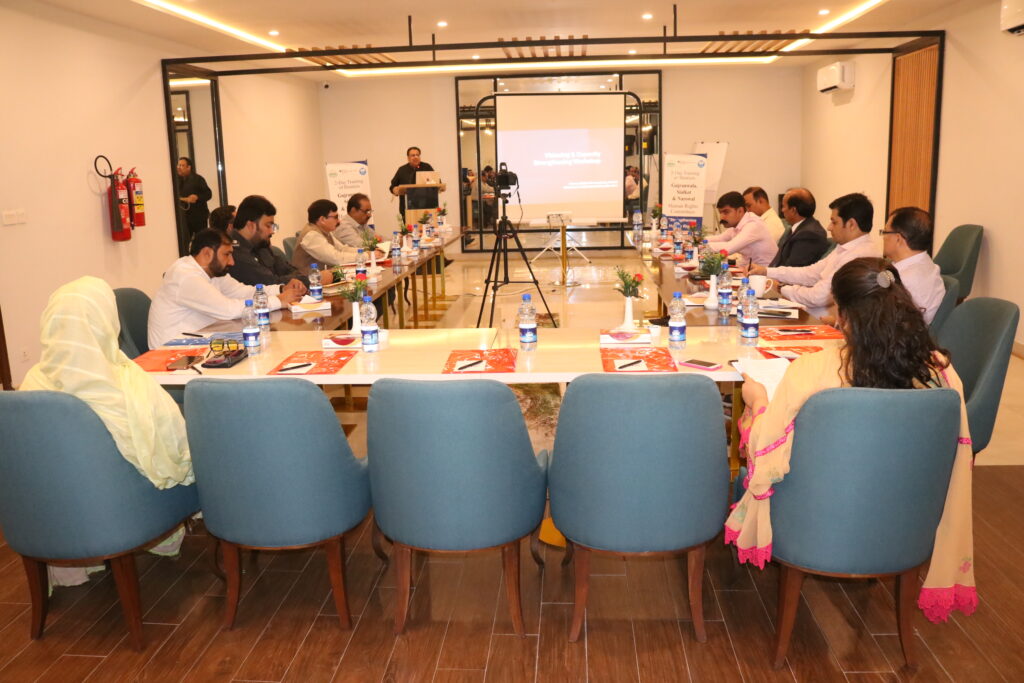
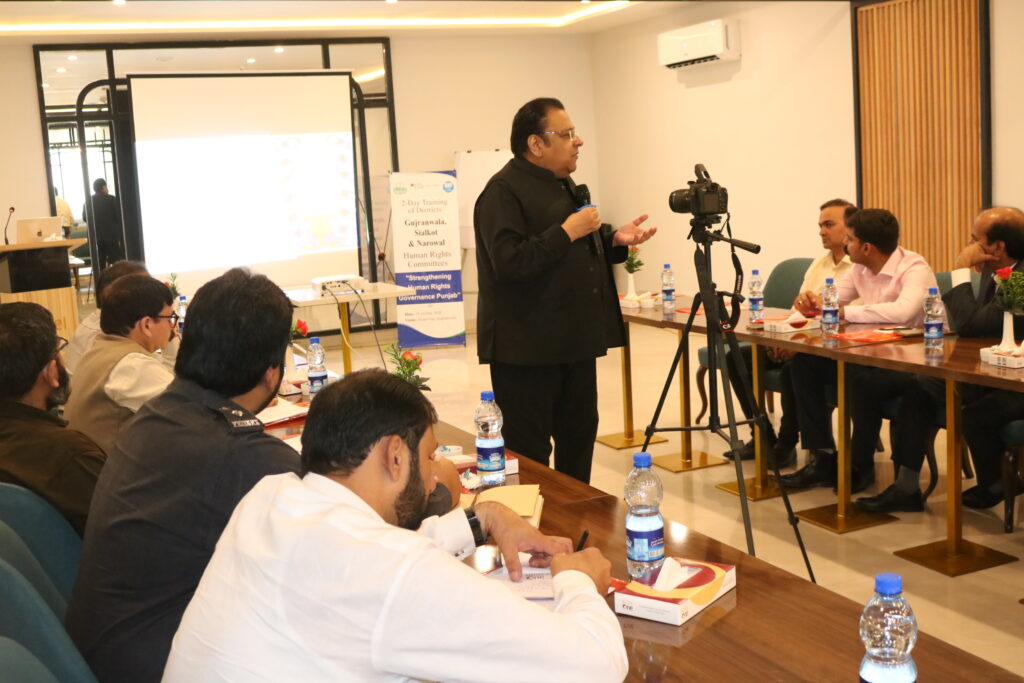
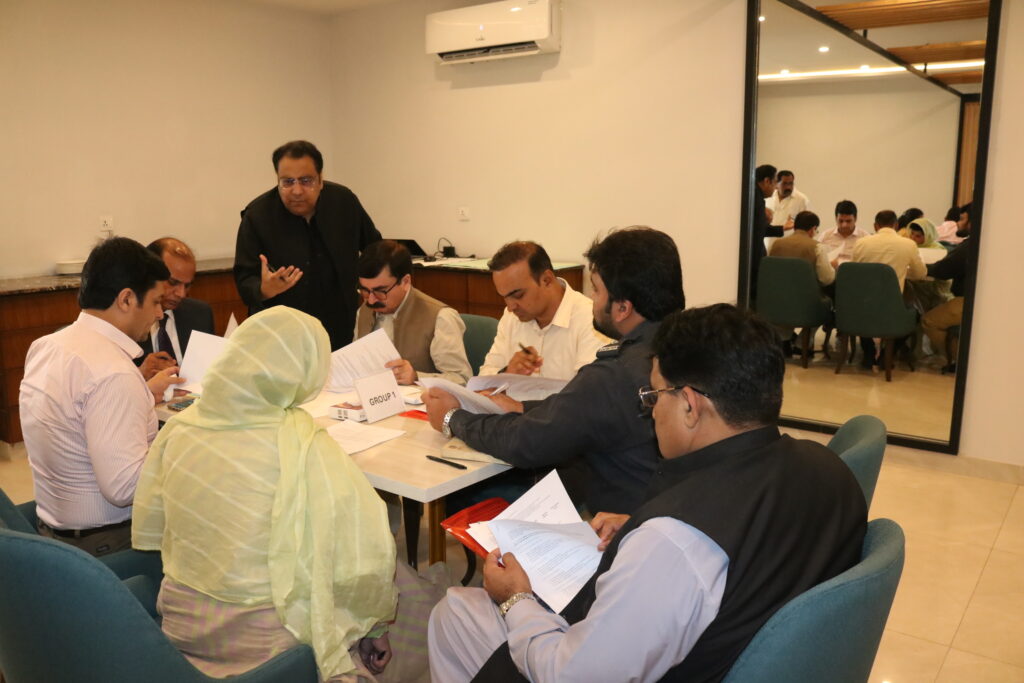
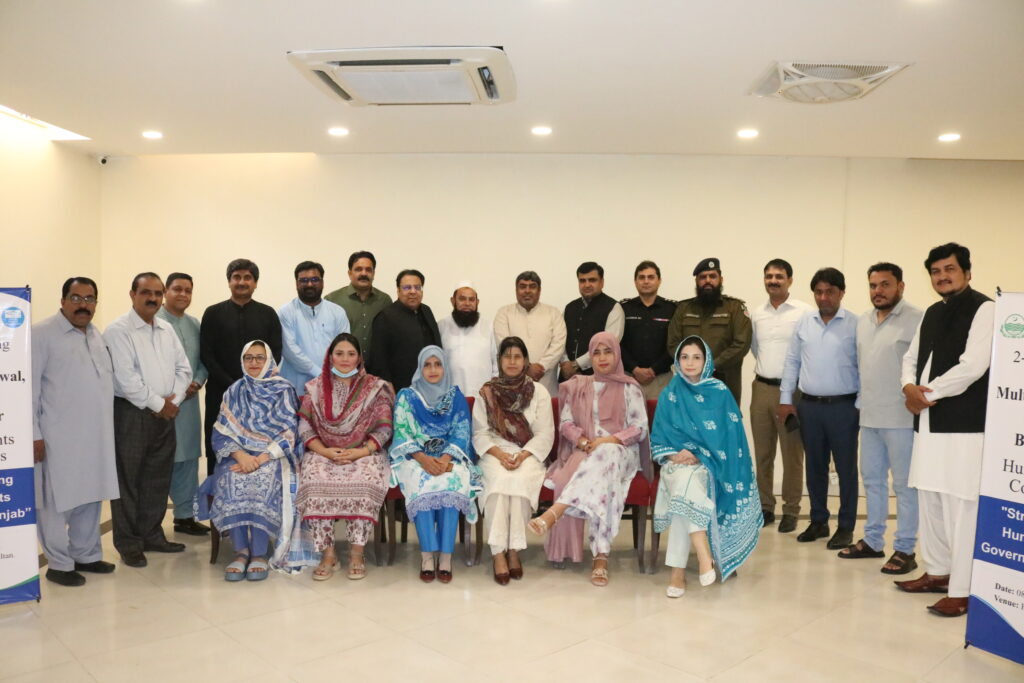
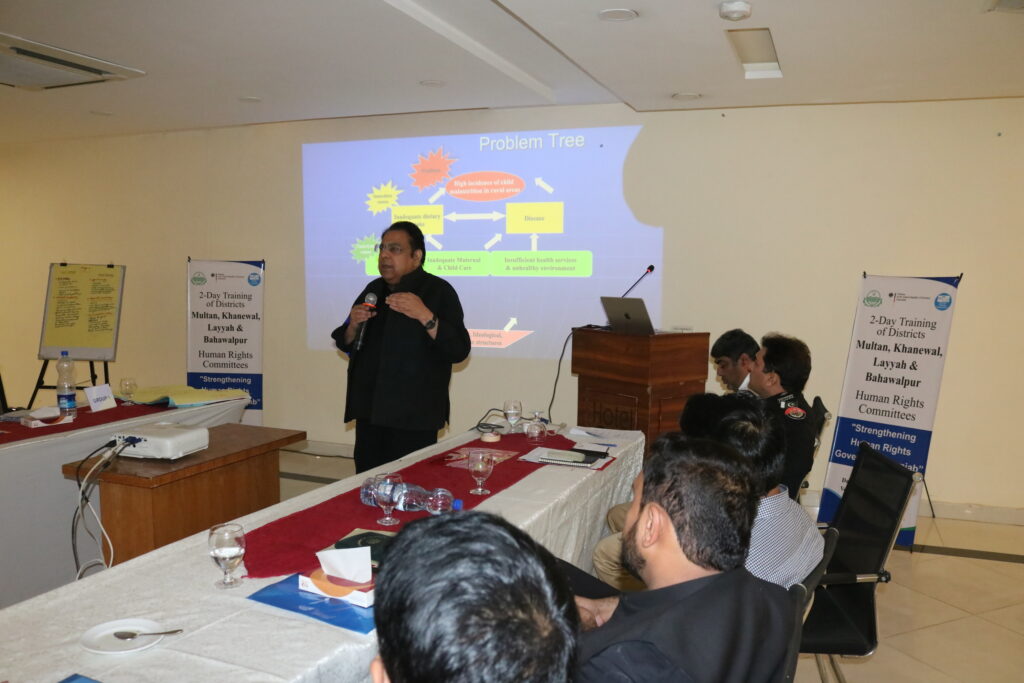
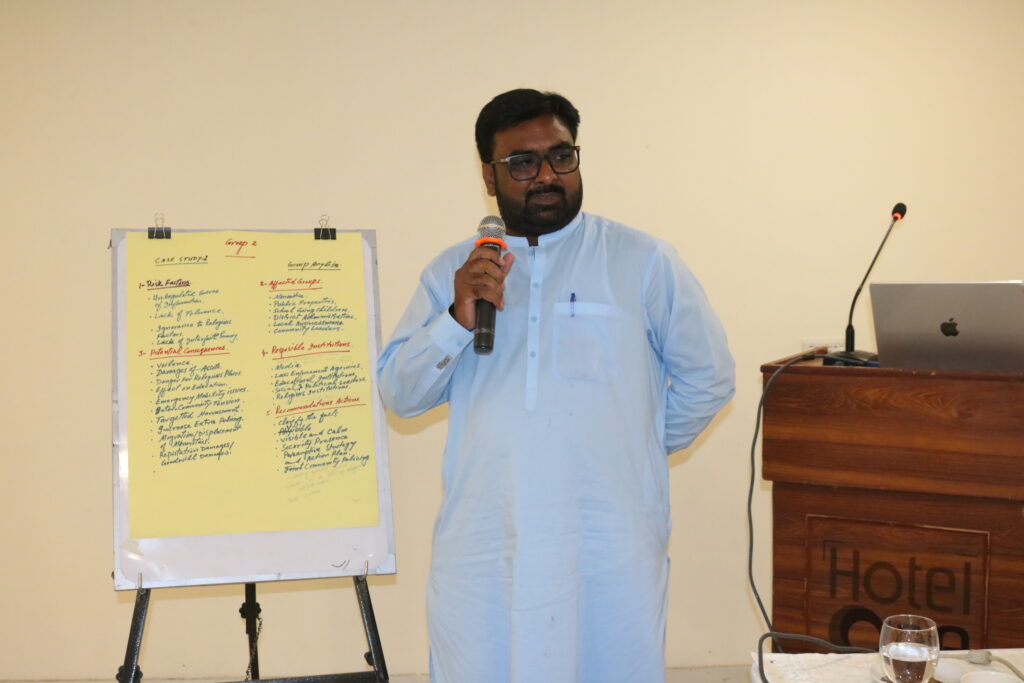
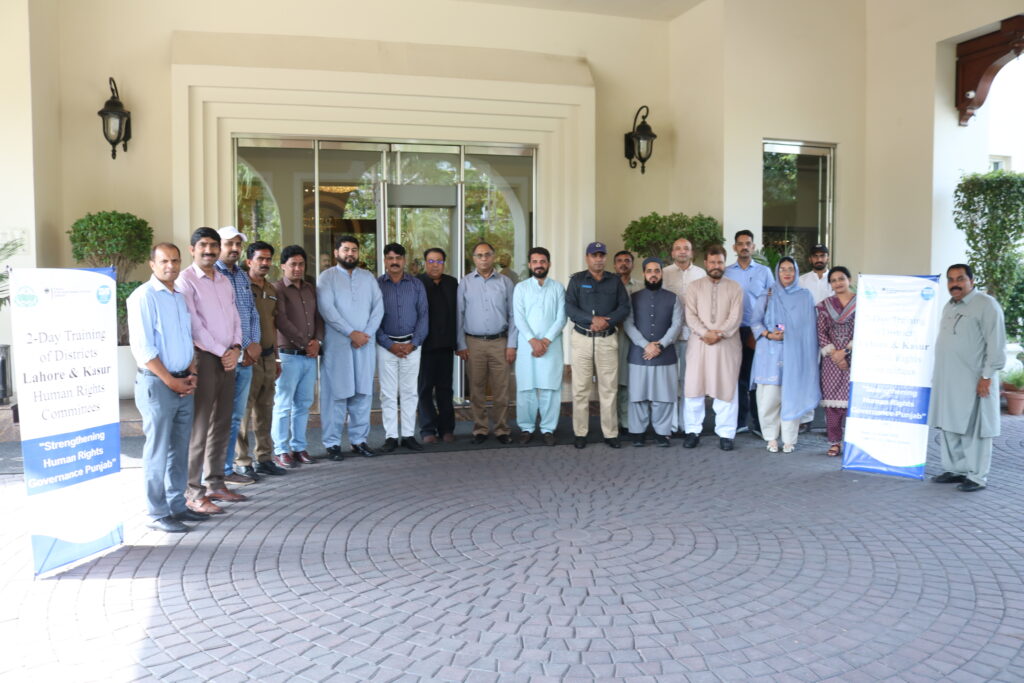
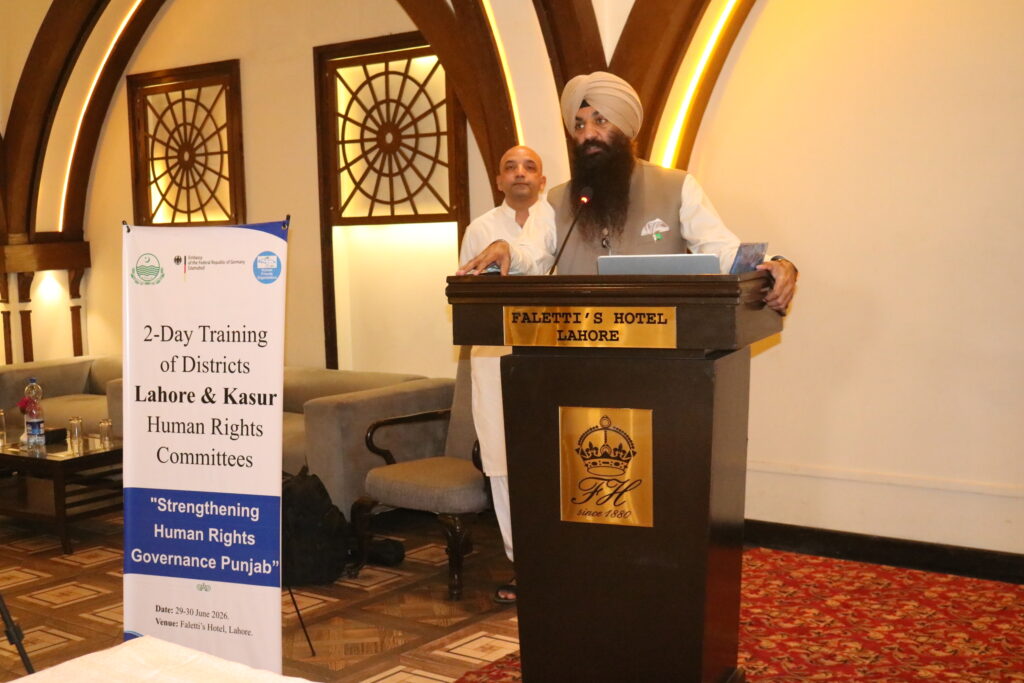
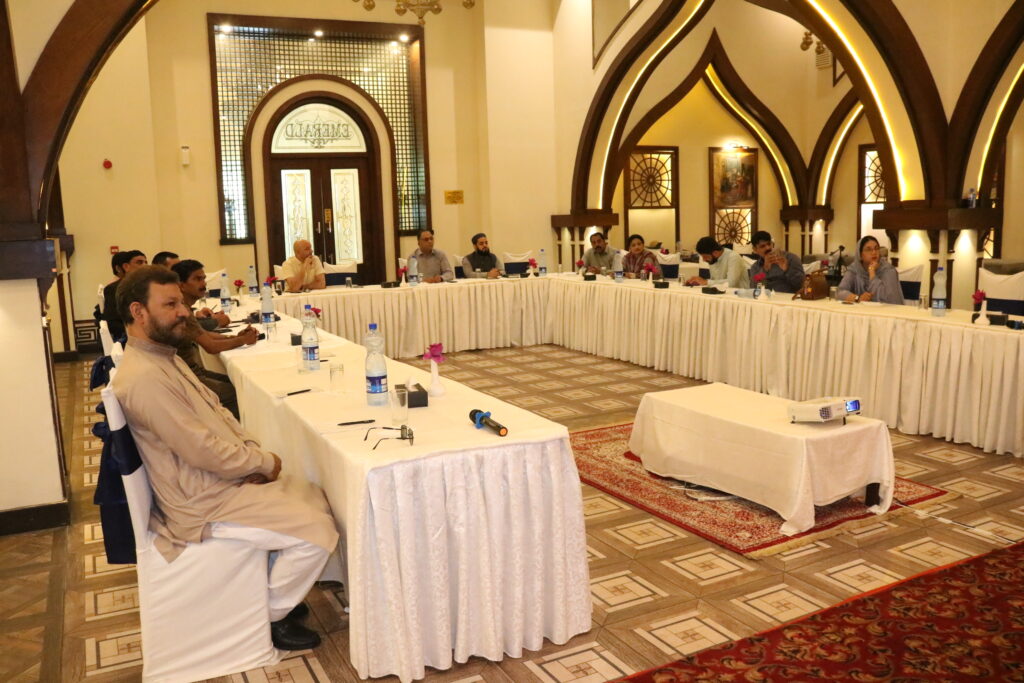
Two-day district-level trainings for DCHRs;
Development of district action plans.
Phase 2 – Monitoring and Mentoring
Regular coordination with district committees;
Monitoring visits to review case management, meetings, and reporting mechanisms;
Technical mentoring and guidance for improved functionality.
Phase 3 – Consolidation and Learning
Strengthening institutional coordination;
Documentation of best practices and success stories;
Learning Exchange Event involving government departments, civil society, and district representatives;
Final evaluation and project close-out.
Major Activities
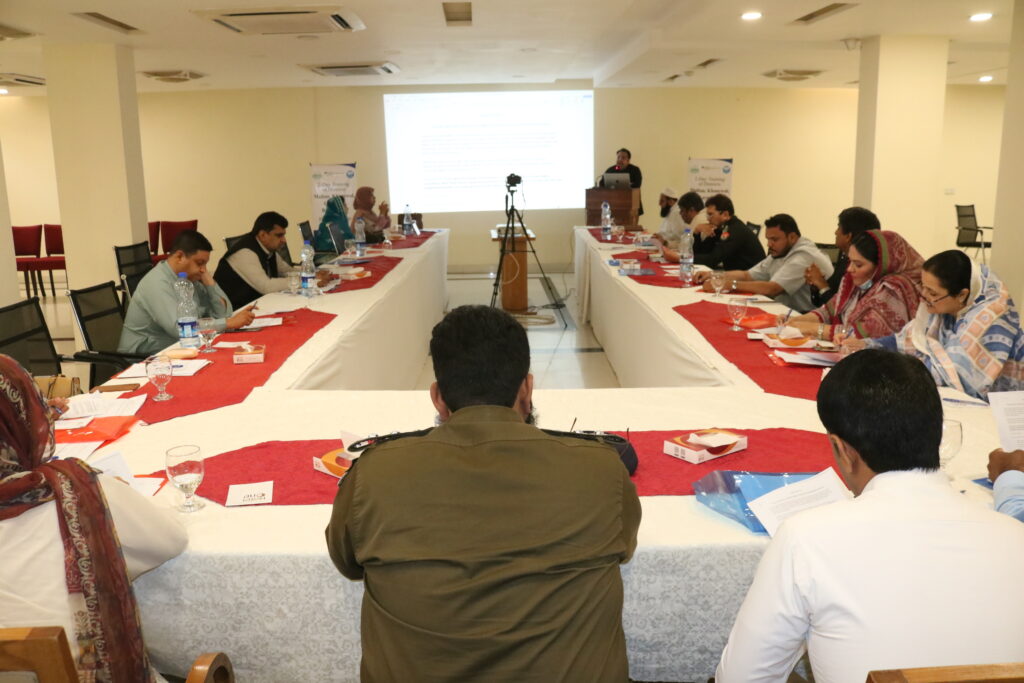
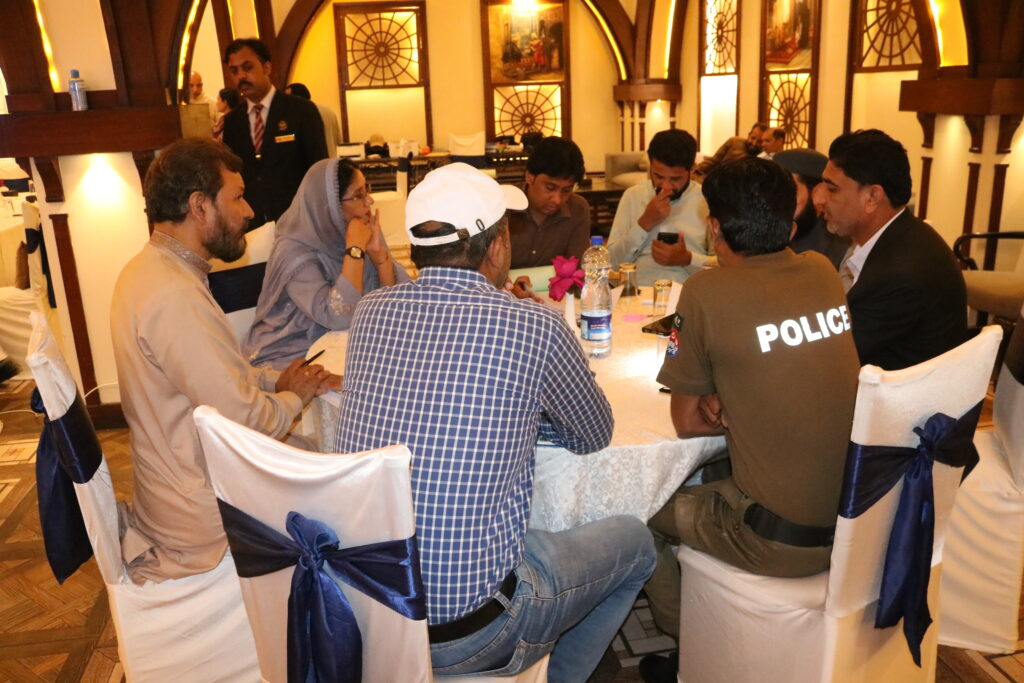
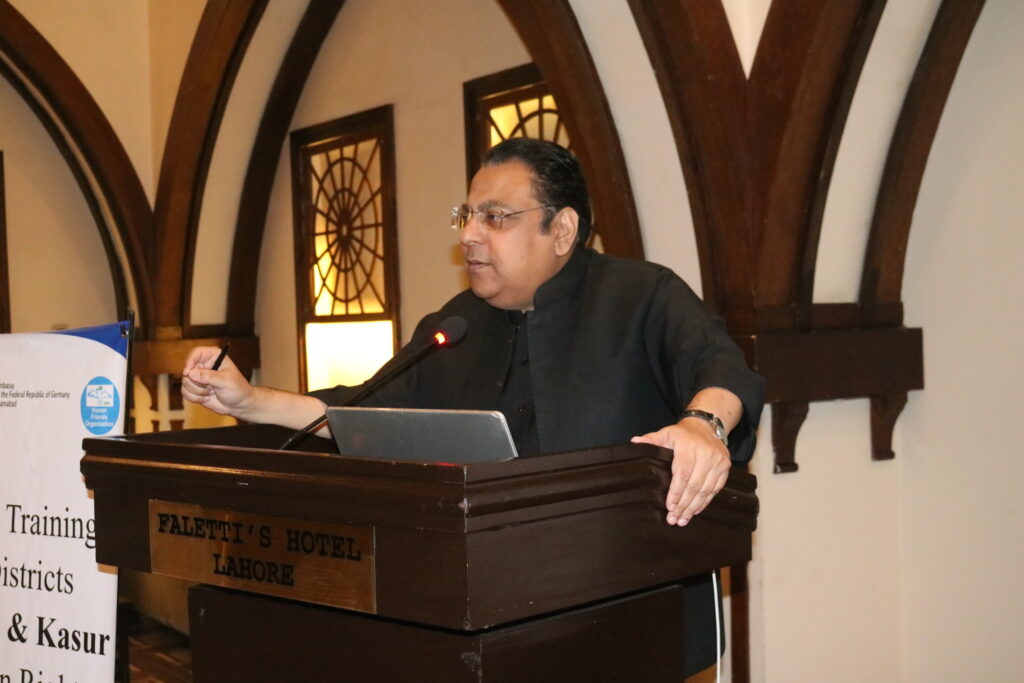
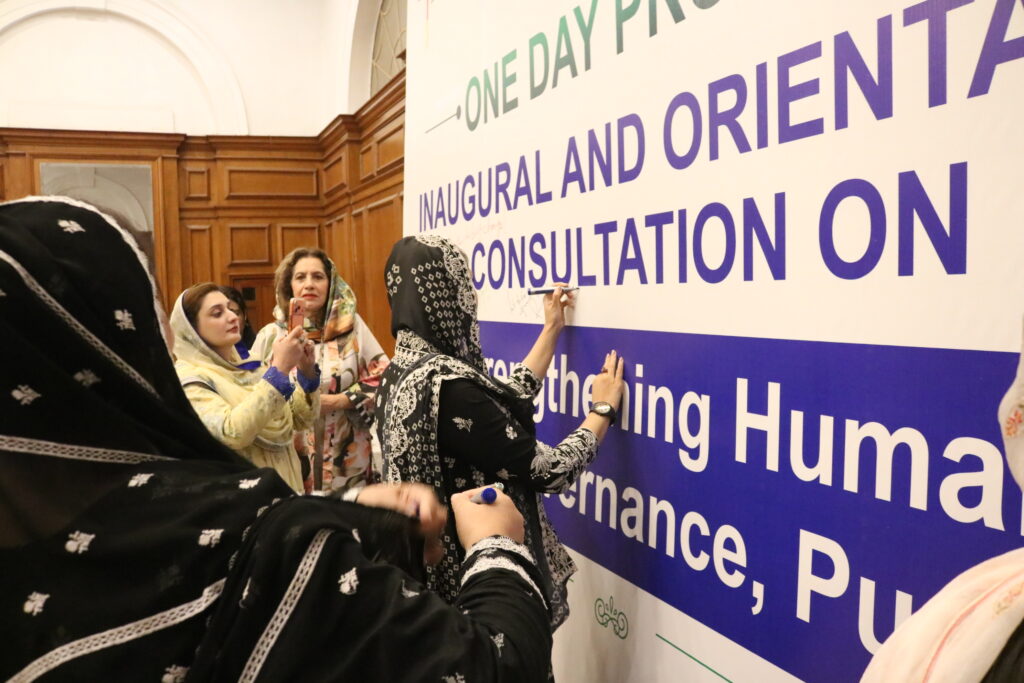
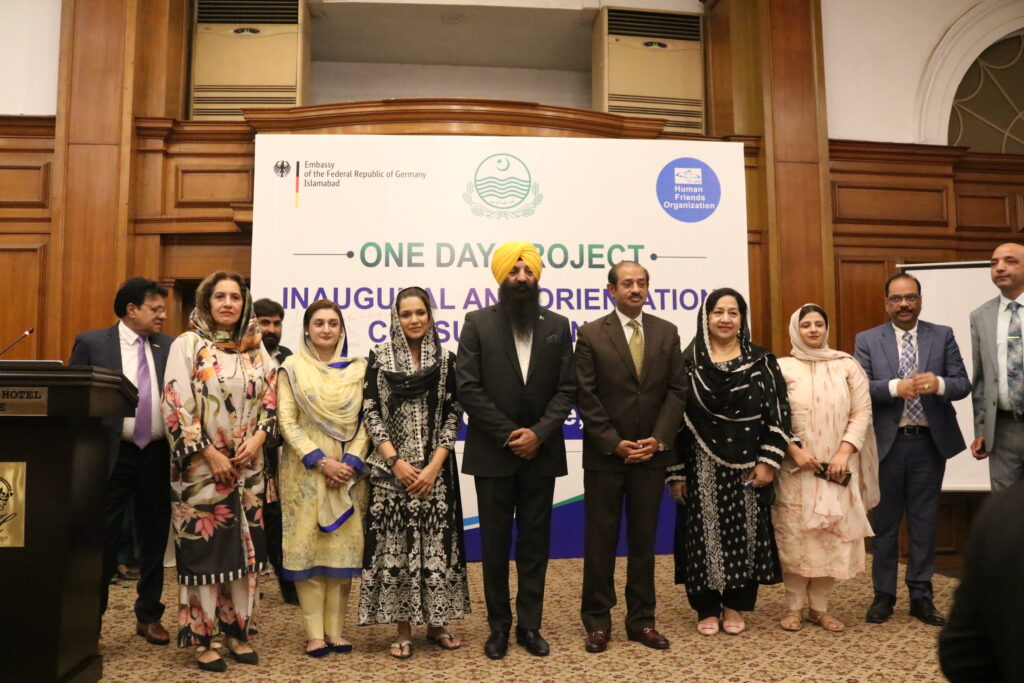
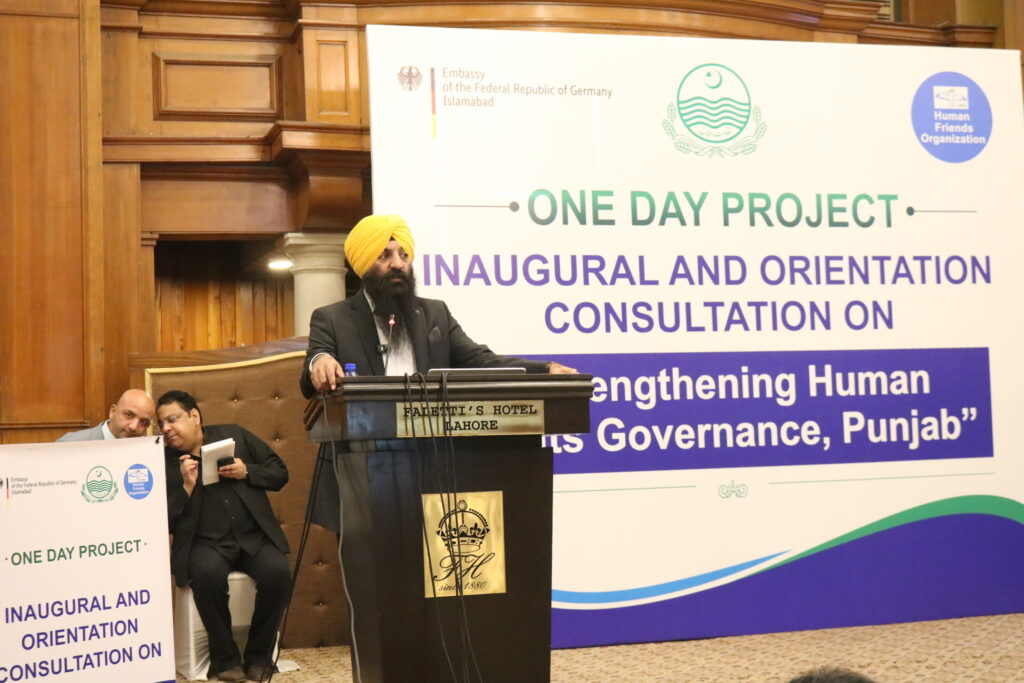
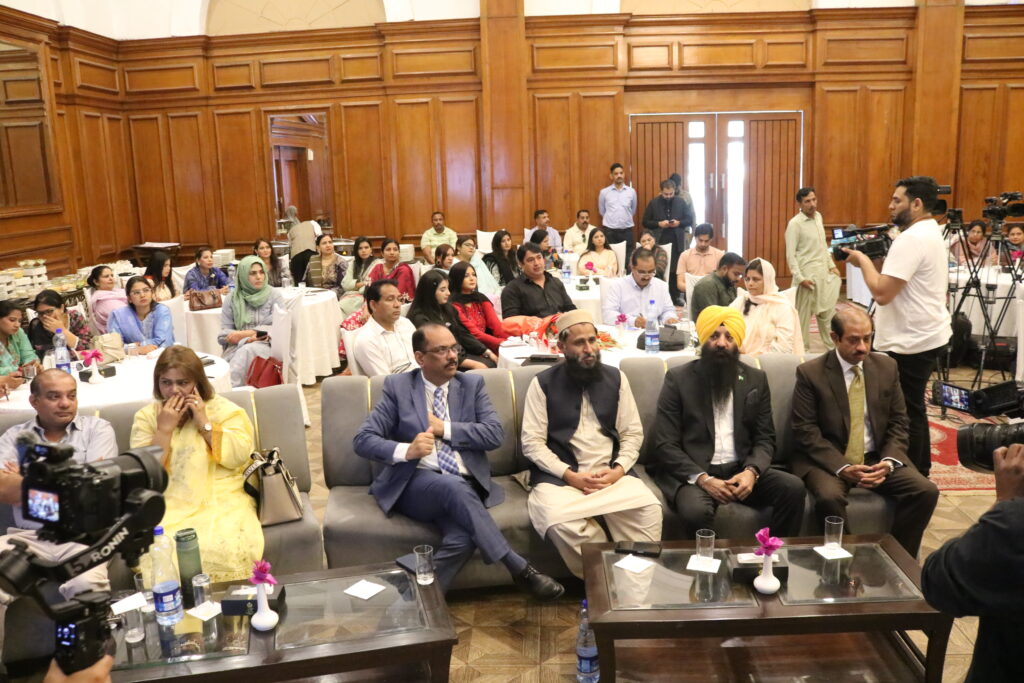
One-day inaugural consultation with key stakeholders in Lahore;
Capacity-building training for Provincial Task Force members;
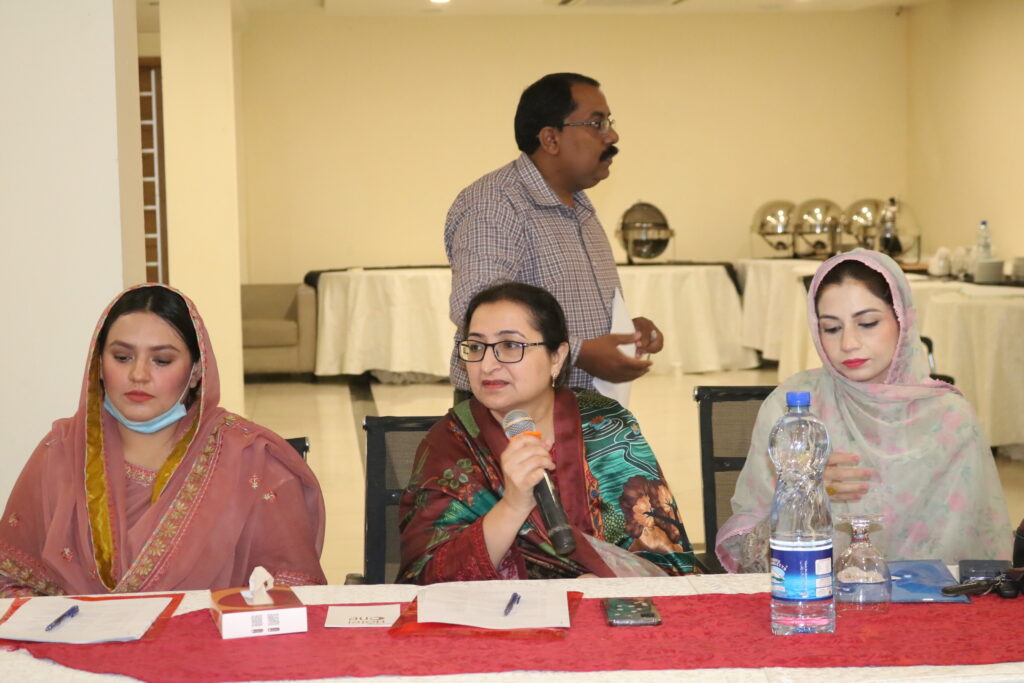
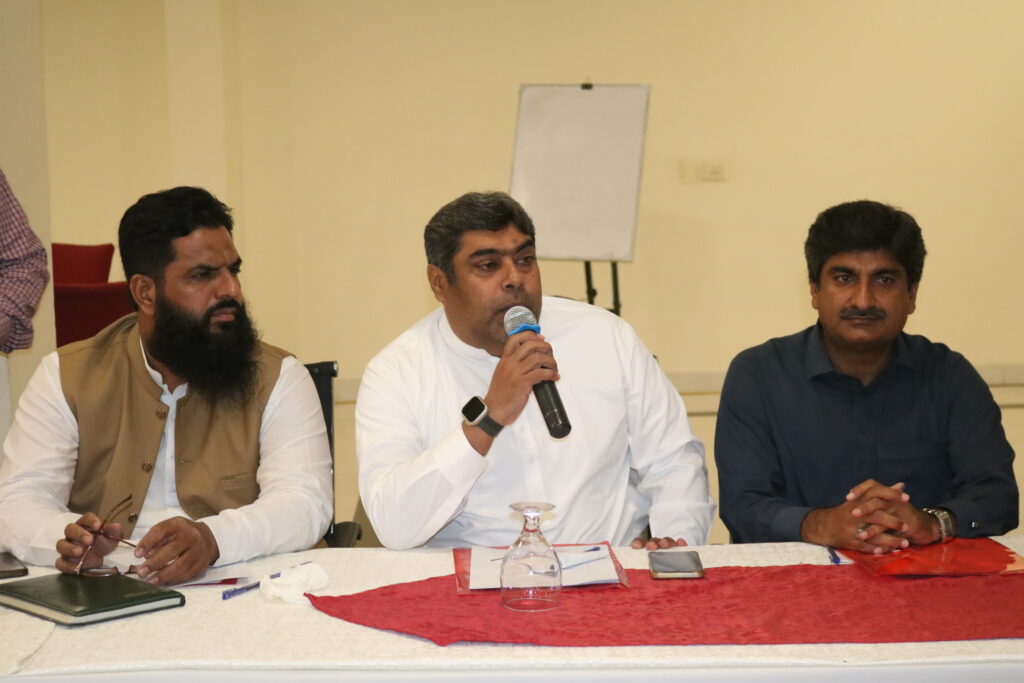
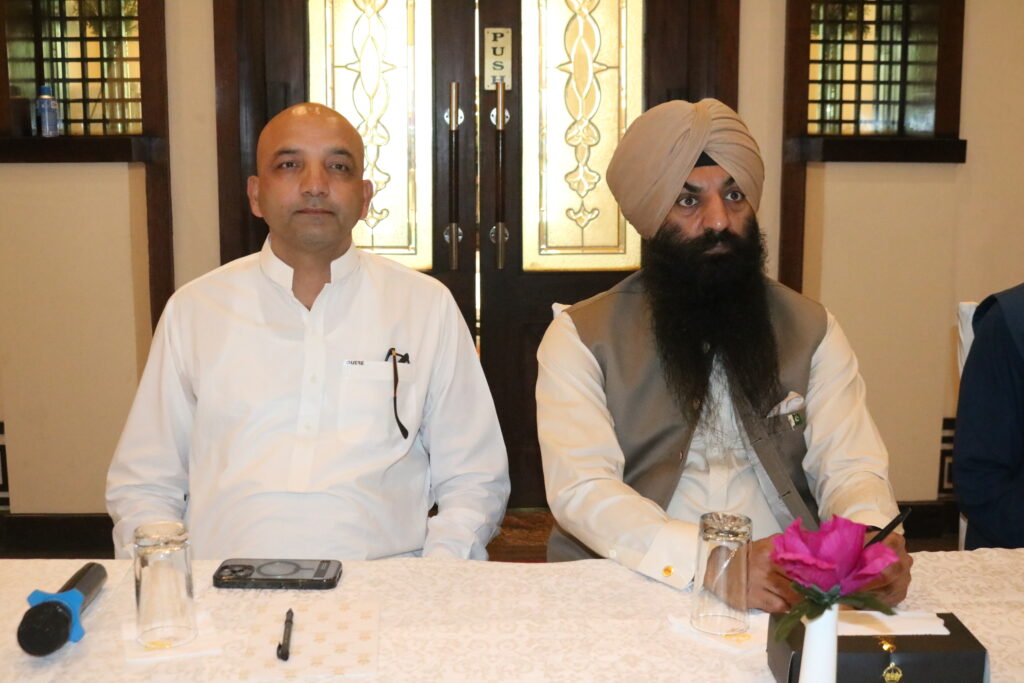
Two-day customized trainings for District Human Rights Committees;
Quarterly coordination and follow-up meetings;
Monitoring visits and mid-term review reports;
Learning Exchange Event to share experiences and best practices;
Final evaluation and sustainability planning.
Special focus areas of the training include:
Human rights protection mechanisms;
Social cohesion and peacebuilding;
Gender-sensitive reporting;
Conflict prevention and mediation;
Prevention of violent extremism;
Community-based human rights monitoring.
Expected Outcomes
The project is expected to contribute to:
Improved performance and functionality of Provincial and District Human Rights structures;
Enhanced capacity of committee members to respond to human rights violations;
Better coordination between district and provincial human rights institutions;
Increased community-level conflict prevention and peacebuilding efforts;
Strengthened monitoring, reporting, and documentation systems;
Development and implementation of district-level human rights action plans.
Sustainability
The project promotes long-term sustainability by strengthening existing government-led institutional mechanisms rather than creating parallel structures. Through continuous mentoring, coordination, and local ownership, District Committees on Human Rights will continue functioning beyond the project period.
The initiative also aims to establish a culture of accountability, collaboration, and community engagement that supports the long-term protection and promotion of human rights across Punjab.
Partnership and Collaboration
The project will be implemented by Human Friends Organization (HFO) in close collaboration with:
Human Rights & Minority Affairs Department, Government of Punjab;